

Exploring a Holiday in Cyprus: A Practical Guide
Cyprus sits about 100 miles off the Syrian coast and takes four and a half hours to reach from Gatwick. That's longer than most people guess. Exploring a holiday in Cyprus properly means covering a lot of ground: 240km of coastline, two mountain ranges and a capital city that straddles a UN buffer zone. You'll want that flight time to plan.
Most visitors land at Paphos or Larnaca and stay put. That's fine, but you'll miss the odd bits.
Arriving and getting your bearings on a Cyprus holiday
The airport bus into Larnaca costs €1.50 and takes twenty minutes. Buses run on time, more or less, though the driver on my first trip stopped for a coffee at a kiosk outside Kiti and nobody complained. You might want to rent a car if you plan to move between coasts. The alternative is the intercity bus network, which is cheap and slow and will eat your afternoons.
Petrol is expensive by regional standards. I paid €1.42 a litre at a station on the Limassol road and that was before the summer surcharge kicked in. Actually, it was €1.52. The pumps are self-service and the machines only take cash after 9pm, so keep a few notes in the glovebox.
You'll notice the light first. It's hard and flat at midday and takes some getting used to. After two days you stop squinting.
Paphos and the western coast
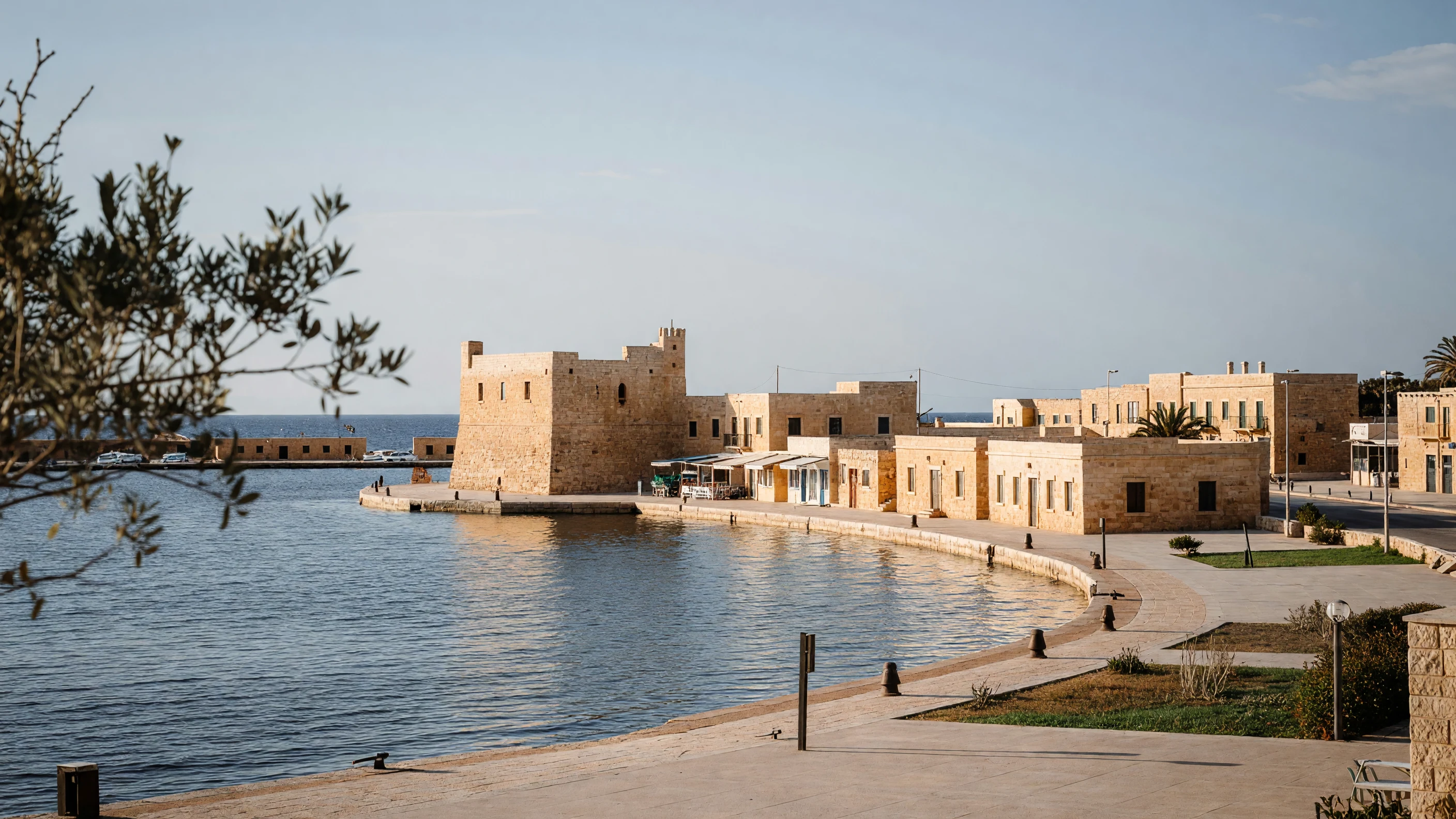
Paphos harbour is a working port with a small castle at one end and a row of fish restaurants at the other. Half of them serve the same frozen calamari, and you can spot which ones by the photos on the menu. Walk five minutes inland instead and you'll find a bakery selling halloumi pies for €1.80, still warm from the oven at seven in the morning.
The mosaics at Kato Paphos are worth the €4.50 entry. They're under a shelter, which matters in August, and the floor of the House of Dionysus covers 550 square metres. You can see the damage from the 2016 earthquake in one corner. It's been stabilised but not restored.
Head north along the coast and the road climbs past Coral Bay, where the sand is coarse and the sunbeds cost €10 for two. I didn't pay it. Behind the beach there's a strip of tavernas and one very good ice cream shop whose name I've forgotten. That's not helpful, I know. Ask for the place next to the car hire kiosk.
The Akamas peninsula is the wild bit, 230 square kilometres of scrub and rock with a few goat tracks and no proper roads. You can drive part of it in a normal car if you're careful. The last section to the Blue Lagoon needs something with higher clearance, or you take the boat from Latchi harbour for about €25. The lagoon itself is bright and cold and full of people on lilos. Go early or skip it.
Cyprus is not a small island if you measure it in hours behind a steering wheel.
Limassol and the interior
Limassol has 120,000 or so residents and a seafront that runs for 15km, which makes the old town feel smaller than it is. The castle where Richard the Lionheart reportedly married Berengaria is worth twenty minutes and no more. The market behind it is better. You'll find olives sold by the kilo, dried figs, and a man doing knife sharpening for €3 a blade.
From Limassol you can drive up into the Troodos mountains in under an hour. The temperature drops by eight degrees, which in July feels like a mercy. The villages here are quiet: Omodos has a monastery and a cobbled square, and the wine co-op sells a decent Commandaria for €9 a bottle. It's sweet and sticky and you won't finish it. I've got half a bottle still sitting in a kitchen cupboard at home.
Troodos itself is a cluster of painted churches and pine forest. Ten of the churches are UNESCO-listed, and some of them sit behind locked doors with a phone number on a laminated sign. We called the number twice and nobody answered, then a woman from the village turned up with a key and let us in for free. So it's not always like that.
I've heard the hiking trails are excellent. I walked maybe 200 metres up the Atalanti trail and turned back because it was hot and I'd forgotten my water bottle at the guesthouse. The view from the car park is enough if you're pressed for time, though you're missing the best of it.
Nicosia and the north
The capital is the last divided city in Europe, and the Green Line runs through the middle with a checkpoint at Ledra Street. Crossing on foot takes fifteen minutes if there's no queue. Bring your passport. You don't need a visa but you do need to be patient with the paperwork, which is done twice.
The old town on both sides is worth a morning. On the southern side there's a decent café culture around Onasagorou Street and the municipality market sells pickled everything. On the northern side, the Büyük Han caravanserai is a courtyard with a café in the middle and craft shops in the cells around the edge. It's the most peaceful place I found in Nicosia. Bring cash: the card machine was broken both times I visited.
In the north you'll be offered tea whether you want it or not, and refusing it takes more energy than drinking it. The ruins at Salamis are a 20-minute drive from Famagusta and mostly unguarded, so wear shoes with grip. One of the columns has a chunk missing where someone drove a car into it, allegedly in the 1970s. That's the sort of thing you won't find in a guidebook.
The Karpaz peninsula stretches northeast for about 80km and ends in a national park with wild donkeys. They're not shy. One of them took a bite out of a plastic bag on the back seat while I was taking a photo, and I had to chase it off with the car mat. Keep the windows shut.
Beaches, food and the cost of it all
Cyprus has 57 Blue Flag beaches, or at least it did last year. That figure might be different now, since the awards get revised. What matters more is which ones suit you. Fig Tree Bay is busy and photogenic and you'll pay €12 for two sunbeds and an umbrella. Macronissos is quieter, sandier, and the parking is free after 4pm. Governor's Beach is pebbly and the water is cooler and there's a taverna that does grilled octopus for €14.
Food is where Cyprus wins. Halloumi comes grilled, fried, or fresh with mint and it's a different thing entirely from the supermarket blocks. Sheftalia, the little pork sausages wrapped in caul fat, are best from a charcoal grill at a roadside shack. A decent meze for two will cost €35 to €45 and includes about twelve dishes, most of which you'll finish. Olive oil is everywhere and the local stuff is peppery in a way the exported bottles aren't.
Prices have gone up since the euro came in, and again in the last two years. A taverna meal that cost €15 in 2018 now costs €22. You can still eat cheaply if you buy from bakeries and markets. A kilo of tomatoes in August costs about €2 and the flavour is absurd.
The downside of all this is that the coast is being built up. Apartment blocks line stretches of the Limassol road where there used to be fields, and the traffic in summer is genuinely bad. If you want quiet, go inland or go early in the season.
Practical things worth knowing
- Driving is on the left. The roads are good but mountain routes have no barriers in places.
- Tap water isn't drinkable in most villages. Buy the big bottles for 60 cents.
- Tipping isn't expected but rounding up is normal.
- The sun in July and August is punishing. You'll burn between 11am and 3pm even with cream.
- Most museums close on Mondays, including the Byzantine Museum in Nicosia.
- Pharmacies are marked with a green cross and the duty rota is posted in the window.
You'll need a UK driving licence and your EHIC or GHIC card, though the latter covers less than it used to. Travel insurance is still worth having. One friend of mine broke a wrist falling off a moped near Ayia Napa and the bill was €1,200 before the insurer stepped in.
Wifi is reliable in cafés and patchy in mountain guesthouses. Nobody is in a hurry. If you're used to city pace, that takes three days to adjust to and then you stop noticing.
The island is best in spring or autumn, when the temperature sits around 22 degrees and the sea is still warm enough to swim. Easter is a good time to visit if you don't mind processions and a lot of noise. The Orthodox Easter lamb is spit-roasted in gardens and the smell carries for miles.
You may find that a week isn't enough to see both coasts and the mountains properly. Two weeks is generous and you'll still miss things. There's a reason people keep going back.
If you're arriving on a Sunday, note that most supermarkets close at 2pm and the kiosks charge a 30 cent surcharge on top of the shelf price.
Further reading: Cyprus on Wikipedia.